



Pet supplements fall into two very different camps: a handful of well-studied nutraceuticals with real evidence behind them, and a much larger pile of products whose promises outrun their science. Joint support with glucosamine and omega-3 fatty acids, probiotics for gut health, and certain skin and coat supplements have decent research supporting specific uses. Many others deliver very little for the money, and a few can actually interfere with medications your pet is already taking. The right supplement in the right dose can meaningfully help a pet, while the wrong one wastes money or does harm.
Fairfax Veterinary Clinic takes an evidence-first approach to supplements, which means we are just as willing to tell you a product is not worth your money as we are to recommend one. Our wellness care for dogs and cats in Fairfax includes supplement guidance built into every visit, and because we also offer integrative options like veterinary acupuncture, we think about the whole picture rather than reaching for a pill or a powder by default. We can look at what your pet is already taking, flag any interactions, and point you toward the products with actual research behind them. If you have a shelf of bottles at home and want to know what is worth keeping, ask us your questions.
What Actually Matters When Choosing a Supplement
- A few supplement categories, like joint support and omega-3 fatty acids, have real research behind them, while many others promise more than the science can back up.
- Supplements help most when they fill a specific gap that a complete diet cannot cover, so a healthy pet on a balanced food often does not need them at all.
- Because supplements are not regulated the way medications are, quality swings widely, and third-party testing is the best signal that a product contains what the label claims.
- The safest way to choose is with your veterinarian, who can weigh your pet’s age, health, medications, and diet before recommending anything.
When Should You Actually Consider Supplements for Your Pet?
Supplements make sense when your pet has a specific need that everyday food cannot meet, such as an aging joint, a recovering gut, or a chronic skin issue. A healthy adult on a complete, balanced diet usually does not need a cabinet full of bottles. The goal is to fill a real gap, not to add insurance your pet was never missing.
Most pet families arrive at this question through a real moment: a senior Lab slower on the stairs, a cat with a week of loose stool, a friend who swears by a powder that fixed their dog’s itchy skin. Those are all reasonable reasons to ask, but when supplements actually help comes down to one thing: filling a specific gap that food alone cannot cover, not padding a diet that already works.
Not every pet needs a supplement, and a few can do more harm than good, especially when they interact with a medication or an underlying condition. That is why the best starting point is a conversation during a visit where we evaluate your pet’s overall health, review the diet, and decide together whether a supplement earns a spot in the plan.
What Do Pet Supplements Actually Do?
Pet supplements do one of two jobs. Nutritional gap fillers supply a nutrient a pet with special needs is missing when the everyday diet falls short. Targeted dietary supplements are built around a single concern like joints, digestion, or the urinary tract. For the targeted kind especially, quality varies enormously, and third-party testing is what separates the real thing from the marketing.
What surprises a lot of families is how little most healthy pets need. A pet eating a complete, balanced commercial diet is already getting the vitamins and minerals they require, so adding extra vitamins to their diet can tip them into toxic levels.
Needs do change over time, though. A puppy, a pregnant dog, a senior cat, and a pet newly diagnosed with kidney disease all have different requirements. That is why our preventive healthcare visits for dogs and cats in Fairfax look at diet, exam findings, and any recent test results together, so we recommend only what will genuinely be useful.
Do Joint Supplements Really Help Dogs and Cats?
Joint supplements are one of the categories where the evidence genuinely earns the shelf space. These products can ease inflammation and support cartilage, and starting early may slow how fast joint strain progresses, though they work gradually rather than overnight. Large breeds, active dogs, seniors, and pets carrying extra weight are the most likely to benefit, and starting before joints are badly worn tends to give the best results.
Watch for these signs that joints may be bothering your pet:
- Slowing down: reluctance to jump, climb stairs, or hop onto the couch they used to own.
- Stiffness: a stiff or wobbly first few steps after a nap that loosen up with movement.
- Behavior shifts: a cat grooming less, hiding more, or missing the litter box because it is hard to get into.
- Sensitivity: licking a joint, flinching when touched, or a new grumpiness about being handled.
For the pets most likely to benefit, we reach for Dasuquin Advanced, which combines glucosamine, chondroitin, ASU, and MSM in one well-studied formulation, paired with a high-quality fish oil for its omega-3s. Those two are the supplements we recommend most often, because the research behind them is solid in a way we cannot claim for most of the shelf.
Supplements also work better as part of a bigger plan, alongside weight management, gentle exercise, and hands-on therapies.
Can Probiotics and Digestive Supplements Fix My Pet’s Tummy Troubles?
Digestive supplements can steady an upset gut in the right situations, but they are not a cure-all for every loose stool. Probiotics add beneficial bacteria while prebiotics feed them, and together they support digestion and immune function. Some pets also do better with added fiber, and a few need extra B12 when their gut is not absorbing it well.
Situations where digestive support tends to help:
- After antibiotics: rebuilding the gut population that a course of medication thinned out.
- Chronic loose stool: gentle, ongoing support for a gut that runs soft more often than it should.
- Food sensitivities: smoothing the transition while you and your vet sort out a trigger.
- Stress upset: the boarding stay, the move, the new baby, the thunderstorm season.
A word of caution: persistent diarrhea, vomiting, weight loss, or blood is never just a probiotic problem. Those deserve a workup rather than a bottle, so we can pin down the underlying cause and pair the right diet and supplement with proper treatment instead of guessing. If you are unsure what that visit involves, we walk you through every step.
What About Urinary Supplements for Cats and Dogs?
Urinary supplements are widely marketed, and the evidence behind them is thinner than what backs joint support or omega-3s. They may play a supporting role for some pets, but they are never a substitute for a diagnosis, because bladder signs can point to several very different problems. Any straining or bloody urine deserves a prompt look before you reach for a bottle.
Urinary supplements are generally aimed at protecting the bladder lining and supporting urinary comfort, and they are best thought of as an add-on under veterinary guidance rather than a treatment in their own right.
One thing every cat family must know: a male cat straining in the litter box without producing urine is a life-threatening emergency. A blocked cat can go downhill in hours, so that is an immediate, drop-everything call, not a moment for a supplement. For pets prone to stones or crystals, the wrong supplement can make their condition worse.
Before combining medication, diet changes, and any targeted supplement, we want to know exactly what is happening, which is where urinalysis, urine culture, and imaging come in.
Will Supplements Improve My Pet’s Skin and Coat?
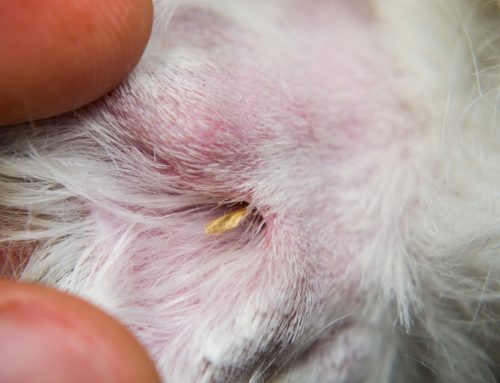
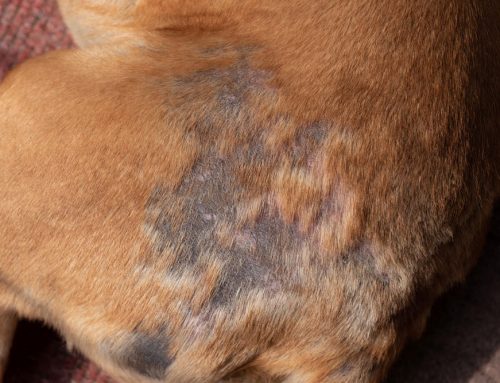
A dull coat, heavy shedding, or constant itching can reflect a simple nutritional gap or a deeper problem, and the right fatty acids often help either way. Omega-3 and omega-6 fatty acids, like those found in fish oil, are among the best-supported options for skin and coat health, and high-quality fish oil is one of the two supplements we come back to most. “High-quality” is a critical part of this puzzle: low-quality fish oils, or doses that are too low, won’t do anything except add calories or even cause diarrhea.
Those fatty acids also support allergic skin conditions and inflammation, with added benefits for the joints and heart, which is part of why a good fish oil earns its place. But skin problems have many roots, so before recommending a supplement we want to rule out the bigger causes. A proper skin and coat workup helps us tell allergies, infections, parasites, and hormonal conditions apart, so support is added to the right diagnosis rather than masking one.
Do Dental Water Additives and Chews Actually Do Anything?
Some do, but only under one condition: they work alongside mechanical cleaning, never instead of it. Water additives, gels, and enzymatic products deliver antimicrobials to the mouth, and the research is fairly consistent that they earn their place when paired with brushing or a daily chew.
The reason is mechanical. Plaque forms a sticky biofilm a rinse cannot penetrate, so an additive poured into the water bowl is facing a wall. Break that film up with a brush, a wipe, or a chew, and the antimicrobial finally reaches the gum tissue where it can work. That is also why the best window for an additive is right after a professional cleaning.
One line is worth memorizing on this shelf: any product promising to remove tartar and turn teeth from brown to white is junk. Tartar is plaque that has already hardened onto the tooth, and nothing in a bottle, a bowl, or a bag takes it off. Only a scaler does. Slowing how fast new tartar forms is a real claim; removing what is already there is not.
The filter is the Veterinary Oral Health Council seal, which means a product was tested against a standard for reducing plaque or tartar rather than just marketed against one. Our dental care for dogs and cats in Fairfax includes professional cleanings and building a home routine around what your pet will genuinely tolerate.
Do Brain and Calming Supplements Work for Pets?
Brain and calming supplements target two different concerns: keeping an aging pet’s mind sharper and easing everyday anxiety. Both have some research support and both work best inside a bigger plan. They are helpers, not switches, and neither replaces the foundations of good routine, enrichment, and, when needed, medication.
How Can I Support My Senior Pet’s Aging Brain?
Cognitive decline in older pets is real, and the signs are easy to miss at first: confusion, pacing, staring at walls, disrupted sleep, forgetting house training, or seeming lost in familiar rooms. It is more common than many families realize, and senior supplements built on antioxidants, omega-3s, and medium-chain triglycerides may help keep a mind sharper when they are started early. They work best alongside a steady routine, mental enrichment, and a home setup that keeps an aging pet oriented and confident.
What Calming Supplements Actually Help an Anxious Pet?
Anxiety shows up at any age, from a young dog who panics in a thunderstorm to a cat who hates the carrier. Training and environmental changes always come first, but several calming ingredients carry research support for easing everyday anxiety across stressful situations, from car rides to vet visits to fireworks season.
Calming supplements won’t fix an underlying fear, and many simply sedate your pet instead of decreasing anxiety. Some ingredients can be problematic, especially at higher doses, like CBD or hemp-based calming treats. Our team is happy to provide you with our recommendations based on your pet’s particular needs.
How Do I Choose Safe Supplements and Avoid the Junk?
The most important thing to understand is that pet supplements are not held to the same standard as medications, so quality is all over the map. Plenty of products are marketing hype with little evidence of efficacy behind them. Because supplement quality swings widely, the products worth trusting carry third-party certifications, clear labeling, and evidence of good manufacturing practices. Use this quick guide when you are standing in the aisle or scrolling a product page:
| Green flags | Red flags |
| Third-party seal (NASC quality seal, USP verification) | Claims to cure, treat, or prevent disease |
| Clear ingredient list with amounts | Multi-level marketing origins |
| Batch or lot numbers and an expiration date | Miracle language and dramatic before-and-after promises |
| Made in a facility following good manufacturing practices | No company contact info or vague sourcing |
A handful of ingredients are outright toxic to pets, which is why human vitamins should never be given without guidance and every product belongs stored well out of a curious pet’s reach. Xylitol, certain concentrated botanicals, and high-dose vitamins meant for people can all be dangerous. Regulators do step in when a product crosses the line: the FDA sends warning letters to manufacturers of supplements making inappropriate claims or that include dangerous ingredients, and you can find a database of warning letters here.

Store supplements sealed and out of reach, and if your pet gets into a bottle of human vitamins, call us or a poison line right away. The Pet Poison Helpline (855-764-7661) and ASPCA Animal Poison Control (888-426-4435) are both available for that scary moment.
How Does My Veterinarian Decide What My Pet Needs?
Good supplement recommendations are personalized, not pulled off a shelf. We weigh your pet’s age, breed, activity level, health conditions, current medications, and diet, then calculate doses by weight and track the response over the following weeks. A supplement is one piece of a larger care plan, never a substitute for the plan itself.
To make an appointment productive, it helps to bring:
- The bottles: every supplement, food, and medication your pet currently gets, containers and all.
- The history: when the concern started, what you have tried, and what changed.
- The diet details: the exact food, treats, and any table extras.
- Your questions: anything a neighbor, breeder, or the internet told you that you want checked.
From there, we build a plan that fits the whole pet. Because we practice integrative medicine, we can combine evidence-based supplement choices with the other tools that support long-term health, so the pieces work together instead of pulling in different directions.
Frequently Asked Questions About Pet Supplements
Are human supplements safe to give my pet?
Not without checking first. Some human supplements are fine in adjusted doses, but many are formulated for human bodies at human weights, and a few contain ingredients like xylitol that are toxic to pets. Concentrations can also be far too high. Always confirm the specific product and dose with us before giving anything made for people, even something as everyday as a multivitamin or a fish oil capsule.
How long before I see results from a supplement?
It depends on the type. Calming and digestive supplements can show effects within days, while joint and cognitive supplements often need four to eight weeks of consistent use before you notice a difference. That slow build is normal and does not mean the product is failing. If you have seen no change after a couple of months, though, tell us, because the plan or product may need adjusting.
My pet eats a premium diet. Do they still need supplements?
Often not. A complete, balanced commercial diet already supplies the vitamins and minerals a healthy pet needs, so routine supplementation usually adds cost without adding benefit. Supplements earn their place when there is a specific need, like arthritis, a sensitive gut, or a chronic skin condition, that the diet alone cannot address. We are happy to look at your pet’s food and decide together whether anything extra is truly warranted.
Making Smart Supplement Choices for Your Pet
Supplements can genuinely help when they are chosen carefully and used as one thoughtful part of a bigger plan. The basics are simple: make sure there is a real need, pick a high-quality product, follow the dosing instructions, and pay attention to whether things actually improve. What supplements cannot do is replace good nutrition, regular preventive care, or the medical treatment a real problem requires.
That is where we come in. Our whole-pet care pairs honest supplement guidance with advanced diagnostics and personalized recommendations, so you are never guessing about what belongs on your pet’s shelf. If you want to talk through a specific product or a symptom you have noticed, reach out to us and we will build a plan that fits your pet.



Leave A Comment