


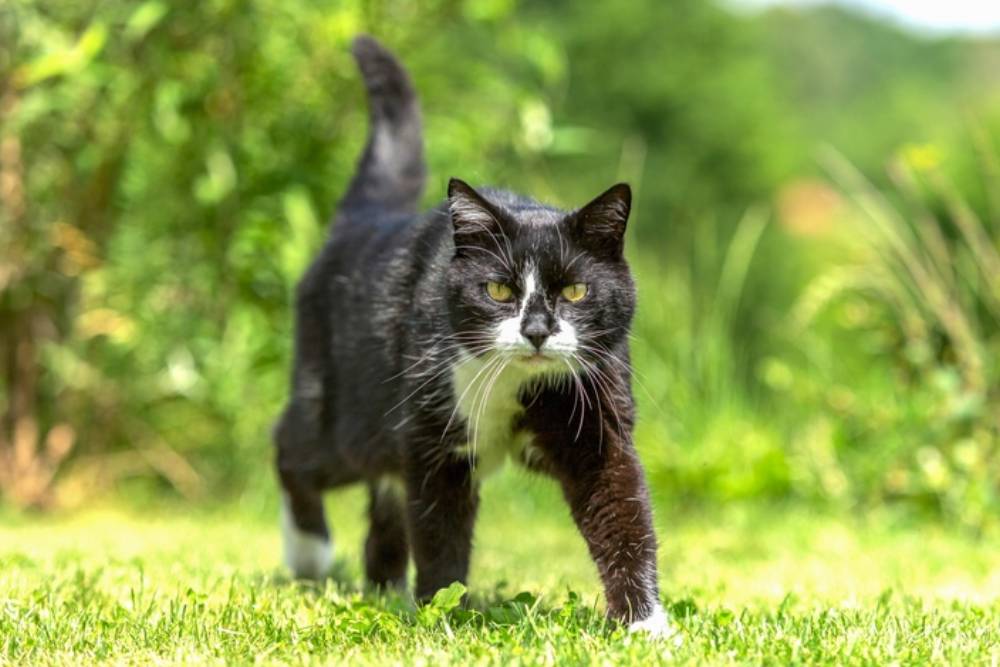
Senior Cat Health: Recognizing and Managing Common Conditions
As cats grow older, their needs change—and so do the challenges they face. Just like humans, senior cats are more vulnerable to chronic diseases, mobility issues, and cognitive decline. But with attentive care and early intervention, aging doesn’t have to mean discomfort.
At Fairfax Veterinary Clinic, we’re here to help you understand what aging looks like in cats, what conditions to watch for, and how to support your feline companion through every stage of their golden years.
Understanding the Aging Process in Cats
Cats are considered senior between 11–14 years and geriatric at 15+ years. While many remain playful and affectionate well into old age, subtle shifts in behavior, mobility, and appetite often signal that something more is going on beneath the surface.
Common Signs of Aging
- Reduced activity or reluctance to jump
- Noticeable weight loss or gain
- Increased sleeping or hiding
- Changes in appetite, litter box use, or grooming habits
Recognizing these changes early is key to providing timely care. Supporting Your Senior Pet: Veterinary Care Recommendations
Common Health Conditions in Senior Cats
Understanding the most common illnesses in older cats allows you to detect warning signs and take early action.
1. Arthritis & Joint Pain
Cats are masters at hiding discomfort—but arthritis often shows through subtle changes in behavior.
Signs to look for:
- Difficulty jumping, stiffness after resting
- Less frequent grooming (due to joint pain)
- Hesitation on stairs or elevated surfaces
Treatment includes weight management, joint supplements, pain medications, and environmental support.
Arthritis and Degenerative Joint Disease in Cats
2. Chronic Kidney Disease (CKD)
CKD affects nearly 30% of senior cats and can progress quietly.
Key symptoms:
- Increased thirst and urination
- Weight loss, vomiting, bad breath
- Lethargy or decreased grooming
Early diagnosis via bloodwork and urinalysis allows for interventions like hydration therapy, renal diets, and medications to slow progression.
Chronic Kidney Disease in Cats
3. Hyperthyroidism
This common endocrine disorder causes a metabolic spike that impacts your cat’s heart, digestion, and weight.
Typical signs:
- Increased appetite with weight loss
- Hyperactivity or restlessness
- Vomiting, diarrhea, or loud vocalizations
Treatment may include daily medication, iodine-restricted diets, or radioactive iodine therapy.
Feline Hyperthyroidism Guidelines
4. Diabetes Mellitus
Feline diabetes is increasingly diagnosed in older, overweight cats.
Warning signs:
- Increased drinking and urination
- Weight loss despite normal appetite
- Weakness or abnormal posture (e.g., walking flat-footed)
Insulin therapy, dietary management, and regular monitoring are essential.
Not So Sweet: Diabetes in Pets
5. Cancer in Older Cats
Cancer can appear as internal tumors or external masses.
What to watch for:
- New lumps or swellings
- Unexplained weight loss
- Chronic vomiting or lethargy
- Breathing difficulty or behavioral withdrawal
Diagnosis may require imaging and biopsy, and treatment varies depending on the type and stage.
Types of Cancer in Pets
6. Cognitive Dysfunction Syndrome (Feline Dementia)
Cognitive decline is common in older cats and often mistaken for “just old age.”
Signs include:
- Disorientation or confusion
- Increased vocalizing, especially at night
- Litter box accidents or changes in sleep patterns
While not curable, there are ways to improve comfort through environmental enrichment, dietary changes, and supplements.
Cognitive Dysfunction in Aging Cats
Proactive Care for Senior Cats
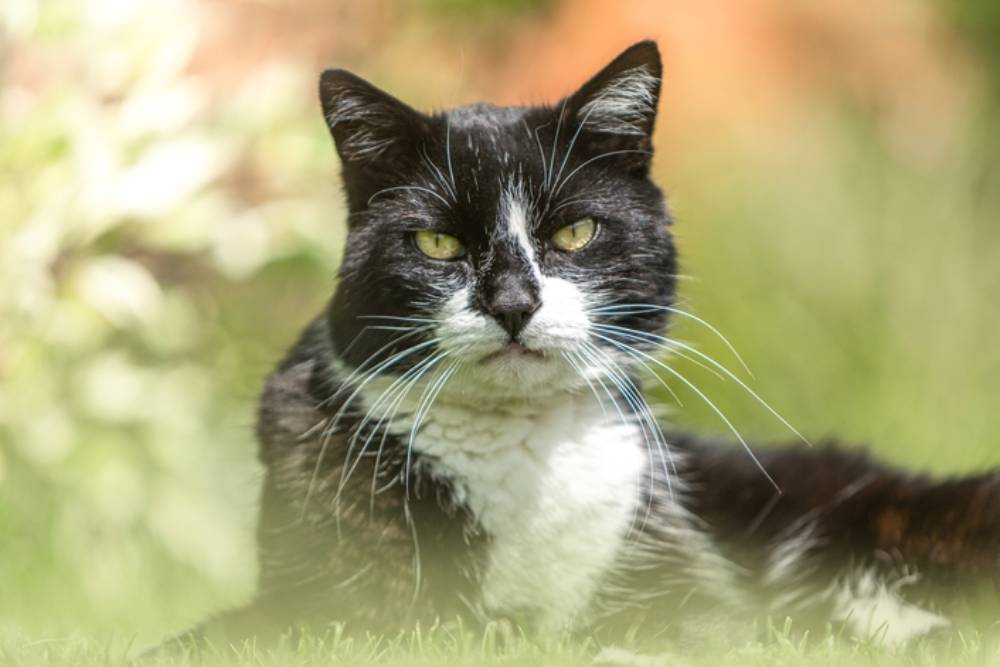
Biannual Veterinary Exams
Twice-yearly exams allow for early detection of disease and proactive management.
- Bloodwork and urinalysis (kidney, thyroid, and glucose checks)
- Blood pressure monitoring
- Dental evaluations and weight tracking
Preventive Testing for Senior Pets
Improving Mobility and Comfort at Home
Make your senior cat’s environment more accessible:
- Ramps or pet steps to avoid jumping
- Lower-sided litter boxes for easier access
- Elevated food and water dishes to reduce joint strain
Read more: Mobility Matters Guide
Nutrition & Weight Management
Senior cats may need adjustments to support kidney health, manage chronic disease, or maintain muscle mass.
Ask your veterinarian about:
- Prescription diets for kidney, thyroid, or joint health
- High-moisture foods to support hydration
- Calorie adjustments for overweight or underweight cats
Maintaining Routine & Enrichment
Consistent daily routines help reduce anxiety in senior cats.
- Keep food, litter boxes, and beds in familiar spots
- Use gentle play to stimulate activity
- Provide window perches or soft hiding spots to enrich their environment
- Read more Common Behavior Issues in Older Cats
Partnering with Your Veterinary Team
Schedule a Senior Cat Wellness Exam
Regular veterinary care is your best tool for early diagnosis and extending your cat’s healthy years.
Book an Appointment at Fairfax Veterinary Clinic
Have Honest Conversations About Quality of Life
Discuss what changes to monitor and when to consider adjusting treatment or exploring palliative care.
Meet the Fairfax Veterinary Clinic Team
Supporting Your Cat Through the Golden Years
Aging isn’t a disease—but it does require vigilance, compassion, and proactive care. By watching for early warning signs, staying consistent with veterinary visits, and adjusting your home and routines, you can help your senior cat stay comfortable, happy, and loved every step of the way.
Have questions about your senior cat’s health?
Contact Fairfax Veterinary Clinic today—we’re here to support you and your cat at every age.


Leave A Comment