


The Senior Pet Workup: Essential Screenings for Aging Dogs and Cats
Senior pets hide illness with remarkable skill, maintaining normal routines even as blood pressure climbs, thyroid function falters, or arthritis progresses invisibly inside joints. By the time symptoms become obvious, diseases have often advanced beyond easy management into chronic conditions requiring intensive intervention. Annual senior screening catches these changes early: hypertension before it damages organs, hyperthyroidism before weight loss becomes severe, and bone changes before pain limits mobility. Baseline testing establishes normal values, then tracks deviations that signal developing problems.
Comprehensive senior screenings, including blood pressure checks, thyroid testing, imaging, and blood work, transform care from reactive to proactive. Instead of waiting for obvious symptoms, senior pet care screenings help us find changes early, when treatment is most effective. At Fairfax Veterinary Clinic, we partner with you to navigate this stage with confidence, compassion, and diagnostics that reveal what a physical exam alone can’t.
Why Your Senior Pet Needs More Than a Yearly Checkup
Aging isn’t a disease, but it changes how the body works. Organs slow down, the immune system weakens, and conditions like kidney disease, heart disease, diabetes, and thyroid disorders often develop quietly. That’s why twice-yearly exams and preventive testing matter.
Early, subtle shifts in blood work or blood pressure can be addressed with diet, medication, or lifestyle changes. Baseline testing also helps us see trends over time for your individual pet, not just what’s “normal” on paper. This is often the difference between manageable care and a health crisis.
Common conditions we screen for include kidney disease, thyroid disorders, diabetes, heart disease, arthritis, dental disease, and certain cancers. At Fairfax Veterinary Clinic, our senior screening packages are tailored to each pet’s needs.
What Blood Work Reveals
Senior blood panels typically include a complete blood count (CBC), a chemistry panel, and electrolytes. Together, these veterinary diagnostic tests give a snapshot of internal health.
- CBC looks at red and white blood cells and platelets to detect anemia, infection, or inflammation.
- Chemistry and electrolytes check organ function, including kidneys, liver, and blood sugar, and evaluate hydration and metabolism.
These results guide nutrition, medications, and follow-up testing. Comparing current results to your pet’s baseline lets us see whether changes are meaningful. When needed, we recommend additional tests or refer to specialists. Our team at Fairfax Veterinary Clinic will walk you through the findings and next steps.
Thyroid Testing: Small Gland, Big Impact
Hypothyroidism in dogs
When the thyroid produces too little hormone, dogs slow down, gain weight, and often develop skin or ear issues. Hypothyroidism is confirmed with simple blood tests. Daily medication typically restores energy, normalizes weight, and improves skin and coat within weeks.
Hyperthyroidism in cats
Cats with feline hyperthyroidism often lose weight despite a big appetite and may act restless. Untreated, it strains the heart and kidneys. Treatment options include medication, special iodine-limited diets, or radioactive iodine therapy. With monitoring and care, most cats return to a healthy, steady rhythm.
Bottom line: thyroid screening catches two very treatable conditions that can dramatically improve quality of life.
Blood Pressure: The Silent Threat
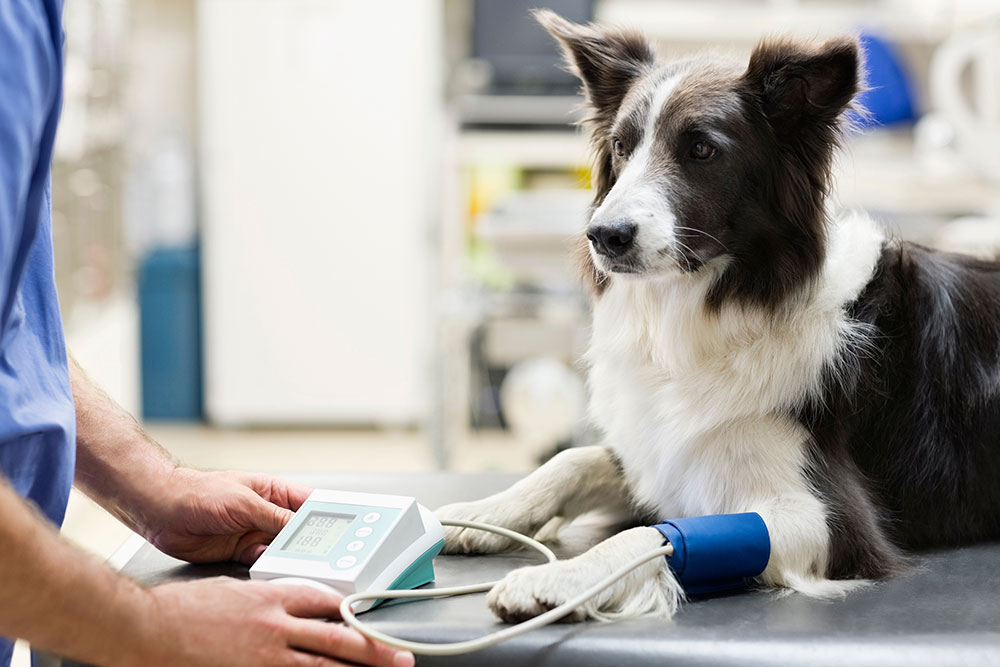
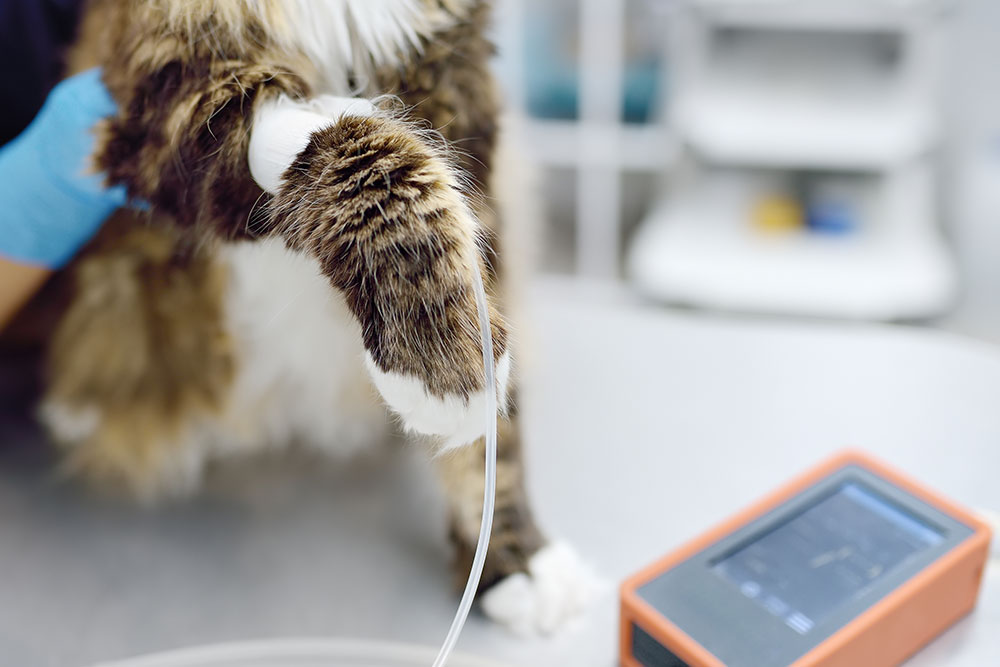
High blood pressure rarely shows obvious signs until it damages organs. It can affect the eyes, kidneys, heart, and brain. Quick, non-invasive screening for systemic hypertension uses a small cuff on the leg or tail and takes just minutes.
Hypertension often accompanies kidney disease, heart problems, diabetes, or hyperthyroidism. Treatment may include medication, diet changes, and regular checks. At Fairfax Veterinary Clinic, we include blood pressure screening in senior visits to protect vision, kidney health, and heart function.
Urinalysis: A Window Into Kidney and Metabolic Health
A urinalysis looks at urine concentration, protein, glucose, blood cells, crystals, and bacteria. It helps us spot kidney disease, urinary infections, diabetes, and bladder stones. Since chronic kidney disease often develops quietly, this test is especially valuable for seniors.
Paired with blood work, urinalysis gives a fuller picture of kidney health. Early detection lets us start supportive care such as kidney-friendly diets, hydration, blood pressure control, and supplements. It also helps us catch silent urinary infections before they cause discomfort or damage.
Heart Health: Catching Problems Early
If we hear a murmur or irregular rhythm, or your pet is at higher risk, we may recommend cardiac screening. These tools help us detect issues before coughing, fainting, or fluid buildup appear:
- Chest X-rays check heart size and lungs.
- Echocardiograms(heart ultrasound) evaluate valves and heart muscle and are the gold standard for heart disease diagnosis.
- NT-proBNP testingis a blood test that can flag heart stress even before signs appear.
Early treatment can improve comfort and extend active years. Many pets with heart disease do very well with the right plan.
Imaging: Seeing What Exams Can’t
X-rays
X-ray imaging helps evaluate the chest, abdomen, and skeleton. We often recommend X-rays for coughing, breathing changes, limping, or unexplained weight loss. They’re non-invasive and usually quick.
Ultrasound
Ultrasound shows organ structure in real time and can reveal masses, fluid, or changes within the liver, spleen, kidneys, and bladder. It’s comfortable and typically doesn’t require sedation.
Together with blood work, imaging gives a clear roadmap for diagnosis and care. At Fairfax Veterinary Clinic, we use these tools thoughtfully to answer questions and guide treatment.
Parasite Testing and Prevention
Parasite screening is especially important in senior pets because they are less able to tolerate complications from infection. Routine fecal testing helps detect common intestinal parasites that can contribute to soft stool, weight loss, and anemia, even when signs are mild.
For dogs, annual heartworm testing remains essential. Heartworm disease can progress quietly and place significant strain on the heart and lungs, and seniors are often more affected once symptoms develop.
We also recommend screening for tick-borne disease in dogs with exposure risk, including Lyme disease, which can cause joint pain, fatigue, and sometimes kidney involvement. At the practice, testing is quick and simple using SNAP tests like the 4DX or Flex4, which provide fast results during a single visit. We’re able to test for heartworm and multiple tick-borne diseases with just a few drops of blood in under ten minutes! Ask us about our recommendations for parasite control for your senior pet.
Screening for Common Senior Conditions
Cancer
Regular exams and imaging help us find lumps, enlarged lymph nodes, or organ changes that may indicate cancer in pets. If we find a mass, a fine needle sample or biopsy helps determine whether it’s benign or malignant. Early detection often means more options and better outcomes.
Liver disease
Blood work can flag liver stress. Follow-up tests might include ultrasound or bile acid testing. Common causes range from inflammation to tumors or age-related change. Many pets do well with medication, diet adjustments, and monitoring.
Kidney disease
Chronic kidney disease is one of the most common age-related conditions we screen for and is extremely common in cats. It develops gradually, and many pets look normal early on, so routine monitoring is often the only way to catch it before significant damage occurs. Blood work and urinalysis help us assess kidney function, hydration status, and urine concentration, while blood pressure checks are important because hypertension is a frequent complication.
Arthritis and mobility
Stiffness, slow movement, and reluctance to jump are common with age. Exams and X-rays help confirm arthritis. Care usually includes pain control, joint supplements, weight management, and gentle exercises for osteoarthritis. Physical therapy, acupuncture, laser therapy, and ramps or supportive beds can also help.
Dental Health: The Often-Overlooked Essential
Healthy teeth and gums are vital for overall wellness. Dental care helps prevent pain, infection, and inflammation that can affect the heart, liver, and kidneys.
Watch for bad breath, drooling, pawing at the mouth, dropping food, or bleeding gums. Many pets keep eating despite mouth pain, so don’t wait for appetite changes. Professional cleanings under anesthesia remove hidden plaque and allow dental X-rays to check roots and bone. With proper screening and monitoring, senior pets typically handle anesthesia safely.
At home, daily toothbrushing, dental chews, water additives, and prescription dental diets help maintain oral health between cleanings. Our team at Fairfax Veterinary Clinic can recommend a simple routine that fits your schedule.
Building a Personalized Senior Care Plan
Every pet ages differently. Breed, lifestyle, medical history, and screening results shape a plan that fits their needs. A Labrador with hip changes won’t have the same plan as a Chihuahua with dental issues. A Maine Coon at risk for heart disease needs different monitoring than a cat with early kidney changes.
We recommend most senior pets be seen every six months. Pets with specific conditions may need more frequent checks. Plans often include periodic blood work, urinalysis, blood pressure readings, and imaging based on risk and response to treatment.
The veterinary team at Fairfax Veterinary Clinic partners with you to prioritize tests, schedule rechecks, and adjust diet and medications as needed. Your observations at home are key. Our experienced team is here to answer questions and support you through decisions both simple and complex.
FAQs: Senior Screening Made Simple
How do I know when my pet is a “senior”?
Many dogs and cats are considered seniors around age 7, but it varies by size and breed. Your vet can guide timing for your pet.
What are the must-do tests each year?
For most seniors: exam, blood work, urinalysis, blood pressure, and dental evaluation. Your vet may add imaging or thyroid tests based on risk.
Will my pet need sedation for X-rays or ultrasound?
Usually no. Some pets may need mild sedation for comfort or positioning, especially if painful.
Are these screenings worth it if my pet seems fine?
Yes. Many age-related conditions are silent at first. Early detection makes treatment simpler, safer, and more effective.
How can I support my senior pet at home?
Keep a healthy weight, provide low-impact exercise, use ramps or rugs for traction, maintain dental care, and watch for subtle changes in thirst, appetite, activity, and bathroom habits.
Investing in Your Senior Pet’s Golden Years
Proactive screening gives your pet the best chance to age comfortably. Finding problems early helps us prevent suffering and extend quality time together. Your companion has given you so much; now is the time to give them attentive, compassionate care.
At Fairfax Veterinary Clinic, we’ll create a personalized plan that fits your pet and your family. Have questions or concerns about screening options? Contact us today or schedule a senior wellness exam so we can support you and your pet with clear guidance and gentle care.



Leave A Comment