


Welcoming a new puppy or kitten into your home is one of life’s most joyful milestones. The boundless energy, tiny toe beans, and tail wags bring instant smiles. But along with the excitement comes a responsibility many new pet owners don’t anticipate: being prepared for emergencies.
Young pets explore the world with their mouths, haven’t fully developed their immune systems, and can go from fine to fragile very quickly. At Fairfax Veterinary Clinic in Fairfax, California, we’re here to help you navigate those moments when curiosity turns critical. In this guide, we’ll walk through the most common emergencies, the red flags to watch for, and how to act quickly and calmly when the unexpected happens.
Are Emergencies Different for Puppies and Kittens?
For puppies and kittens, an emergency is any situation that could quickly become life-threatening if left untreated. Because their bodies are still growing, they can dehydrate faster, crash harder, and respond differently to illness than adult pets.
Call the vet immediately if you notice:
- Difficulty breathing
- Collapse, seizures, or unresponsiveness
- Persistent vomiting or diarrhea (especially with blood)
- Ingestion of a known toxin
- Severe trauma (being stepped on, hit by a car, or falling)
Your instincts matter—if something feels “off,” don’t wait to ask for help.
Common Emergencies in Puppies & Kittens
Choking and Airway Blockages
Puppies and kittens explore first and ask questions later. Unfortunately, that often involves chewing on toys, socks, or objects that can become lodged in their throat.
- Warning Signs: Gagging, pawing at the mouth, panicked behavior, wheezing or blue gums.
- What to Do: If your pet is still breathing, don’t try to remove the object unless it’s clearly visible. Call your vet or head to the ER immediately. Learn about the Heimlich maneuver for pets.
Toxin Ingestion
From chocolate to household cleaners to certain plants, many everyday items are dangerous for young pets.
- Common Culprits: Xylitol (in sugar-free gum), grapes, onions, medications, lilies (especially for kittens), and rodenticides.
- What to Do: Call ASPCA Poison Control or your vet. Don’t induce vomiting unless specifically instructed—it can make things worse.
Trauma and Accidents
Accidents can happen in an instant—especially with wobbly legs and fearless leaps.
- Common Scenarios: Being dropped, stepped on, or injured while roughhousing.
- Signs of Trouble: Yelping, limping, bleeding, swelling, or refusing to move.
- Next Steps: Keep your pet still and calm. Use a towel as a stretcher if needed, and seek immediate veterinary care.
Heatstroke and Hypothermia
Puppies and kittens are less efficient at regulating their body temperature, which puts them at higher risk.
- Heatstroke Symptoms: Rapid breathing, panting, drooling, collapse.
- Hypothermia Signs: Shivering, cold extremities, lethargy.
- What to Do: Move to a safe temperature zone and call your vet on the way to the clinic. Learn more about emergency care for your pet.
Vomiting and Diarrhea
Digestive issues are common but can become serious very quickly in young pets due to rapid dehydration.
- When It’s Urgent: Symptoms last more than 24 hours, there’s blood in the stool or vomit, or your pet is refusing food and water.
- What to Do: Offer small sips of water. If symptoms persist or your pet is lethargic, it’s time for a vet visit.
Seizures or Neurological Events
Seizures in young pets can be caused by infections, toxins, or congenital conditions.
- What It Looks Like: Collapsing, paddling legs, drooling, or loss of consciousness.
- Stay Calm: Clear the area, don’t hold or restrain them, and call your veterinarian right away.
Breathing Issues (Respiratory Distress)
Rapid or labored breathing in a puppy or kitten is never normal.
- Possible Causes: Pneumonia, allergic reactions, heart defects, or breed-related airway issues.
- What to Do: Keep them calm and transport them to the nearest animal hospital immediately.
Eye Injuries or Infections
Their eyes are delicate and prone to scratches, infections, or foreign bodies.
- Red Flags: Squinting, discharge, redness, or swelling.
- First Step: Prevent further irritation (like rubbing) and schedule an exam quickly—eye issues can worsen rapidly.
At-Home Emergency Readiness
Pet First Aid Kit Essentials
Every pet parent should have a basic kit on hand. Include:
- Emergency contact numbers
- Gauze, bandages, antiseptic wipes
- Digital thermometer
- Tweezers
- Muzzle (for safety in pain-related aggression)
- Hydrogen peroxide (only under veterinary guidance)
Safe Transport Tips
If your puppy or kitten is injured:
- Use a carrier or sturdy box lined with a towel.
- Gently support their head and spine.
- Avoid unnecessary movement during transport.
Preventing Emergencies Before They Happen
Pet-Proofing Your Home
Just like toddlers, puppies and kittens will test every boundary.
- Secure electrical cords and remove choking hazards.
- Keep cleaning supplies, medications, and trash inaccessible.
- Read Pet-Proofing Tips from AAHA.
Schedule Regular Vet Visits
Routine exams catch potential health issues early—and give you the chance to ask questions about safety and development. Learn more about preventing pet emergencies.
Consider Pet Insurance
Emergencies are unpredictable—and expensive. Having a plan helps you make medical decisions based on care, not cost. See AAHA’s guide to pet insurance.
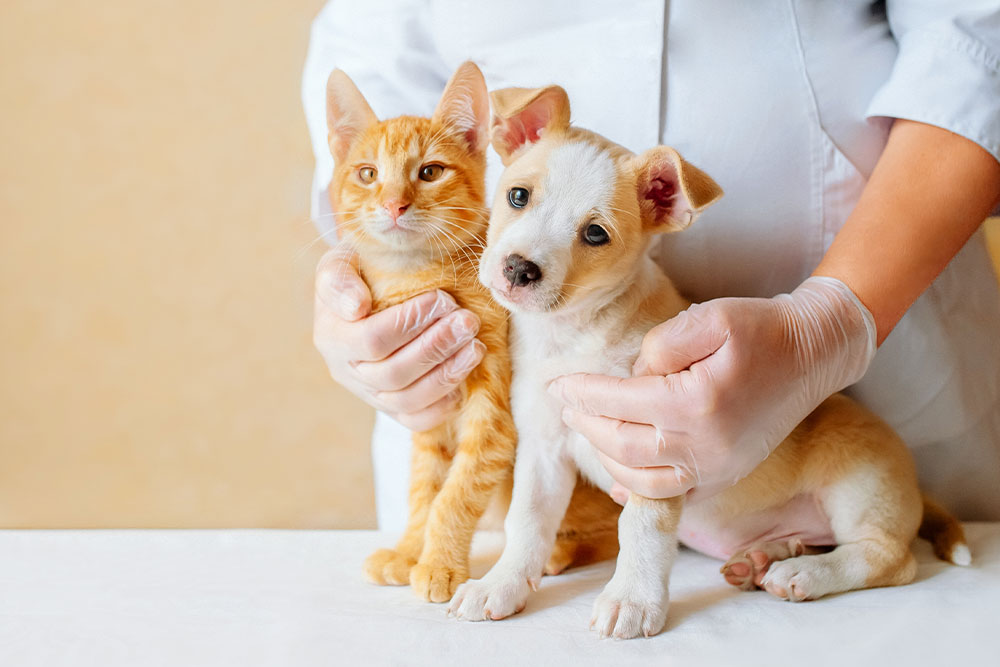
When In Doubt, Call Us
We understand how scary emergencies can be—especially when your pet is still so new. At Fairfax Veterinary Clinic, we’re here to answer your questions, offer guidance, and provide the care your puppy or kitten needs to grow up strong, happy, and healthy.
If you’re ever unsure whether it’s an emergency, don’t guess—call. We’d rather talk you through a false alarm than have you wait too long in a critical moment.
Your puppy or kitten depends on you for safety, comfort, and care. And in those high-stress moments when things go wrong, you can depend on us.
Contact Fairfax Veterinary Clinic
Let’s give your new family member the healthiest start possible.



Leave A Comment