


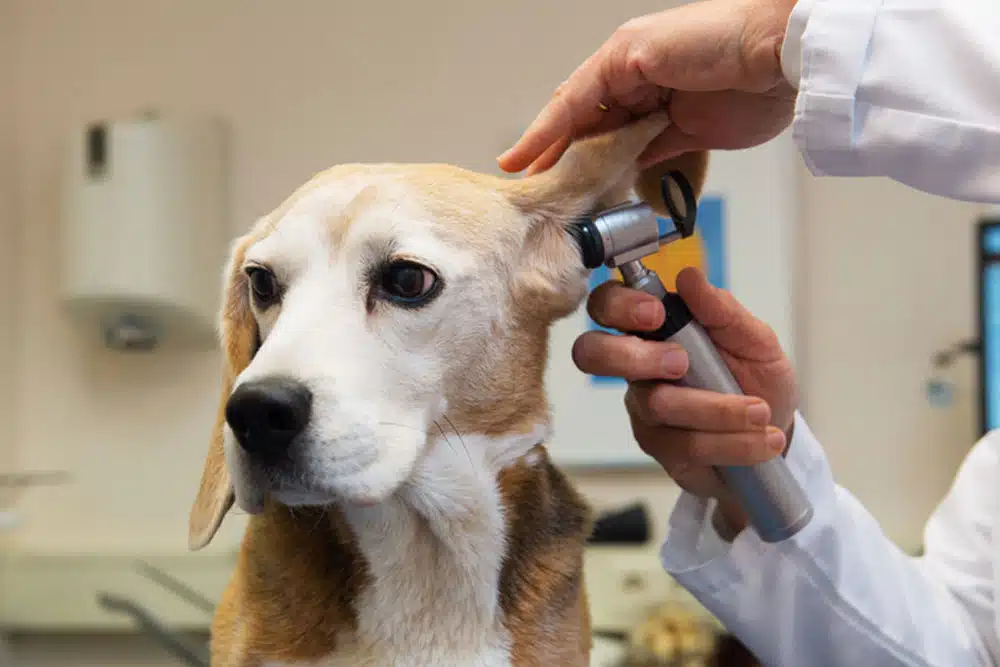
Why Do Ear Infections Keep Coming Back in Dogs?
You hear the familiar sound of scratching, or notice your dog shaking their head again after just finishing a round of ear medicine. Ear infections are frustratingly common, especially in dogs with allergies, floppy ears, or a love of swimming. Preventing them means understanding the root cause and tailoring care to each pet.
At Fairfax Veterinary Clinic in Fairfax, CA, our team provides personalized prevention plans and advanced diagnostics, helping families manage recurring ear issues with confidence.
Understanding Ear Infections in Dogs
Why Do Ear Infections Occur?
Ear infections in dogs rarely happen without reason. The most common culprits include allergies that create inflammation, trapped moisture from swimming or bathing, and the natural anatomy of certain breeds. Dogs with floppy ears, like Golden Retrievers and Cocker Spaniels, face higher risks because their ear structure limits air circulation, creating warm, moist environments where bacteria and yeast thrive.
What are Common Ear Infection Symptoms?
Persistent head shaking, intense scratching at the ears, a distinct odor emanating from the ear canal, visible redness, and discharge that may appear brown, yellow, or black are common ear infection signs in dogs. Some dogs can develop painful swelling or become head-shy when you attempt to touch their ears.
What’s a Common Misconception About Ear Infections in Dogs?
Ear infections are not typically caused by poor hygiene alone. While regular cleaning helps prevent some infections, the underlying causes often involve allergies, hormonal imbalances, or anatomical factors that require targeted treatment approaches.
Identifying the Root Causes of Your Dog’s Ear Infection
The Role of Allergies
Allergies play a significant role in recurring ear infections. When dogs react to environmental triggers like pollen, dust mites, or mold, or food ingredients such as beef or chicken, the resulting inflammation affects their entire body, including the delicate tissues lining their ear canals. This inflammation creates ideal conditions for bacterial and yeast overgrowth.
Recognizing dog allergy symptoms is crucial for pet owners dealing with chronic ear issues. Environmental allergies often coincide with seasonal patterns, while food allergies typically cause year-round symptoms that may worsen gradually over time.
Other Contributing Factors to Ear Issues
Hormonal conditions significantly impact ear health. Canine hypothyroidism reduces immune function and alters skin oil production, making ears more susceptible to infection. Similarly, Cushing’s disease in dogs compromises the immune system and changes skin characteristics, creating vulnerability to recurring infections.
Physical irritants pose another threat. Foxtails and other foreign bodies can lodge deep in ear canals, causing immediate trauma and ongoing inflammation that leads to secondary infections. These grass seeds are particularly problematic because they migrate deeper into tissues over time, requiring prompt veterinary removal.
Dog Ear Infection Prevention Strategies
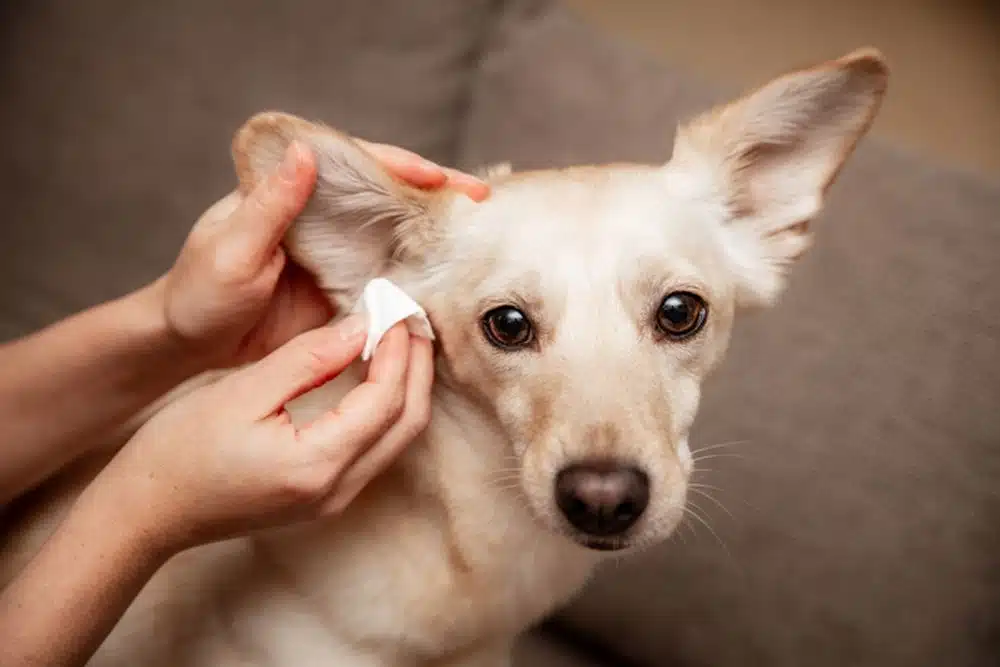
Routine Ear Cleaning
Proper ear cleaning forms the foundation of prevention, but technique matters enormously. Learning how to clean a dog’s ears safely prevents accidental damage while removing debris and excess moisture that contribute to infections.
The frequency of cleaning depends on your dog’s lifestyle and breed characteristics. Swimming dogs may need weekly cleaning, while indoor pets with healthy ears might only require monthly maintenance. Using veterinarian-recommended cleaning solutions ensures you’re not disrupting the ear’s natural pH balance or causing irritation with harsh ingredients.
Diet and Nutrition
Nutrition plays a surprisingly important role in ear health. Proper dietary management can significantly improve skin health in allergic pets, including those suffering from ear infections. Omega-3 fatty acids, antioxidants, and other nutrients support skin barrier function and reduce inflammatory responses.
When food allergies are suspected, elimination diet trials help identify problematic ingredients. These trials require patience and strict adherence to feeding protocols, but they often provide definitive answers about dietary triggers contributing to ear problems.
Treatment Options for Recurring Ear Infections
Getting to the root of an ear problem starts with a detailed veterinary assessment. One of the most valuable tools is ear cytology, a simple test where your veterinarian examines a tiny sample under the microscope. This reveals whether bacteria, yeast, or other organisms are present and helps pinpoint the true source of irritation. With that information, your vet can choose medication that targets the infection directly instead of relying on trial and error.
For ongoing or particularly stubborn cases, a culture and sensitivity test may be recommended. This test grows the bacteria from the ear sample and determines which antibiotics are most effective against them. When cytology and culture results are used together, they provide a complete diagnostic picture- allowing your veterinarian to design a precise treatment plan that clears infection and supports lasting ear health.
Medications and Therapies
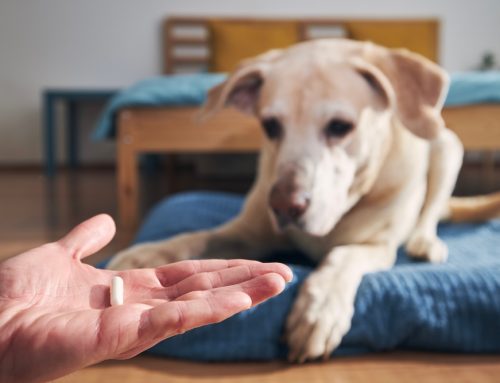
Effective treatment begins with proper medication application. Medicating a dog’s ears properly ensures treatments reach affected areas and remain in contact long enough to work effectively. Topical therapies typically combine antibiotics, antifungals, and anti-inflammatory medications tailored to specific infection types.
Surgical Solutions
For severe, chronic cases that don’t respond to medical management, surgical options exist. Total ear canal ablation (TECA) removes diseased ear canal tissue entirely, eliminating the source of recurring infections. While this procedure requires careful consideration, it often provides permanent relief for dogs suffering from end-stage ear disease.
Related complications like ear hematomas often develop from excessive head shaking due to ear discomfort. These blood-filled swellings between ear cartilage layers require prompt treatment to prevent permanent ear deformity and ongoing discomfort. Surgery is needed in severe cases to allow the layers of the ear flap to heal.
The Importance of Veterinary Care in Pet Ear Health
Regular Check-Ups
Comprehensive veterinary examinations at Fairfax Veterinary Clinic allow for early detection of ear problems before they become severe infections. During routine visits, veterinarians assess ear canal health, identify predisposing factors, and recommend preventive measures tailored to each dog’s specific risk factors.
Building a collaborative relationship through veterinary wellness care enhances your dog’s overall health outcomes. Regular communication with your veterinary team helps track patterns, adjust prevention strategies, and ensure treatments remain effective over time.
Emergency Care and Specialist Referrals
Some ear problems require immediate attention. Signs like sudden onset of severe pain, loss of balance, or head tilting warrant emergency veterinary services to rule out complications such as inner ear infections or ruptured eardrums.
Complex cases sometimes benefit from specialist consultation. Veterinary dermatologists and internal medicine specialists offer advanced diagnostic capabilities and treatment options that help resolve challenging recurring infections when standard approaches prove insufficient.
Taking Control of Your Dog’s Ear Health
Recurring ear infections don’t have to be an inevitable part of your dog’s life. Understanding the underlying causes, implementing appropriate prevention strategies, and working closely with your veterinary team creates the best opportunity for long-term success.
The team at Fairfax Veterinary Clinic offers comprehensive diagnostics and personalized treatment approaches that address both immediate symptoms and underlying causes. Contact Fairfax Veterinary Clinic at (415) 454-8204 to schedule an examination and take the first step toward lasting ear health for your dog.


Leave A Comment