


From Stiffness to Strength: Managing Osteoarthritis in Dogs and Cats
When your dog hesitates at the base of the stairs or your cat stops jumping onto the sofa, you might assume they are “just slowing down.” But that reluctance to move is often a sign of pain from osteoarthritis, one of the most common causes of chronic discomfort in older pets. It can be difficult to watch your pet struggle with everyday movements, but recognizing the subtle changes is the first step toward a happier, more comfortable life. With the right combination of weight management, anti-inflammatory support, and attentive care, you can help your pet remain active and enjoy their daily routines.
At Fairfax Veterinary Clinic, our team takes a collaborative, individualized approach to managing osteoarthritis in dogs, cats, and even exotic pets. By combining advanced diagnostics, multimodal pain management, and ongoing support, we help pets maintain mobility and quality of life. Our veterinary wellness care focuses on prevention, early detection, and personalized treatment plans that support both pets and the people who love them.
Why Arthritis Awareness Matters
Osteoarthritis affects millions of aging pets, but its progression is often so gradual that owners may not notice until stiffness or discomfort becomes severe. Joint degeneration develops over time as cartilage wears down and inflammation takes hold, leading to pain, swelling, and decreased mobility.
At Fairfax Veterinary Clinic, we emphasize early recognition- because with prompt intervention, we can slow the disease, reduce pain, and improve your pet’s comfort. Whether your pet needs medication, weight management, or physical support, our doctors collaborate closely to design comprehensive care plans that evolve with your pet’s needs.
If your pet seems reluctant to move or play, don’t wait. Schedule an appointment early so we can evaluate joint health and create a plan to keep your companion active and pain-free.
Recognizing Early Signs of Arthritis
Arthritis often begins subtly. You might notice your dog taking longer to get up after resting or your cat hesitating before leaping onto a favorite perch. Other common pain signs include stiffness, irritability, or reluctance to be touched. Some dogs may limp or favor one leg, while cats show quieter clues such as sleeping more or avoiding grooming.
Our veterinarians encourage owners to record short videos of their pet’s mobility at home- it helps us assess subtle changes that may not appear during a clinic visit. If you notice stiffness after rest, decreased playfulness, or hesitation when using stairs, reach out to our team for guidance and early treatment options. Ask us about grooming for your arthritic dog or cat- we can help make sure they look and feel their best when they are unable to groom themselves properly.
How Veterinarians Diagnose Arthritis
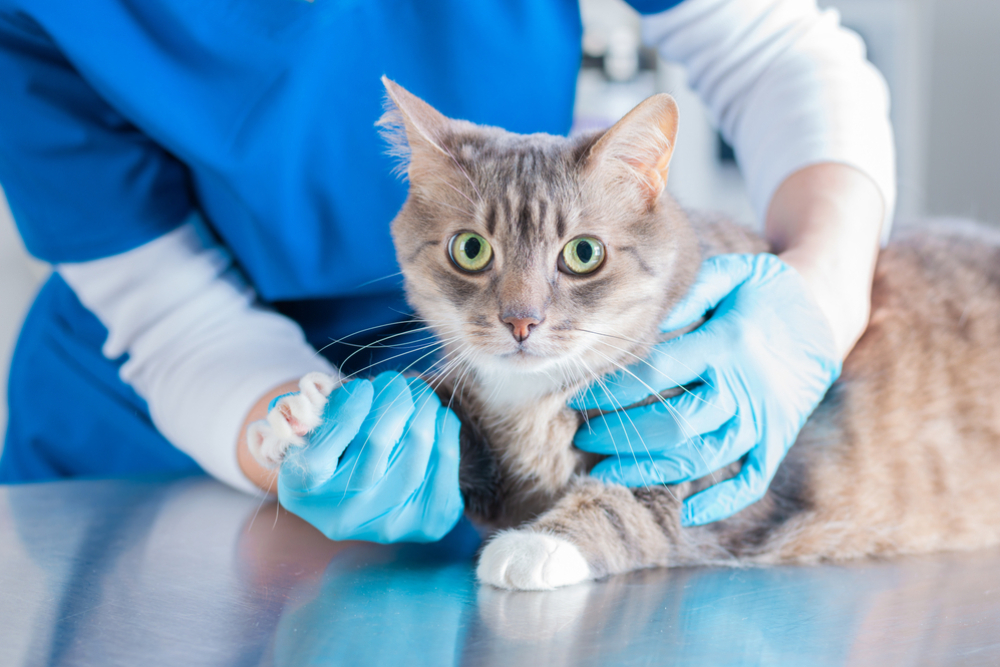
Diagnosing arthritis involves a full physical exam, joint palpation, and range of motion testing. We evaluate muscle tone, body weight, and response to manipulation while reviewing your pet’s activity history and prior injuries. Imaging helps confirm joint changes and rule out other issues.
Our veterinarians may recommend preventive testing such as bloodwork or urine screening, especially for senior pets starting anti-inflammatory medications. Arthritis rarely exists in isolation. Many older pets also face conditions like heart disease, obesity, or endocrine disorders that can influence joint health. Nutrition, controlled exercise, and regular screenings all contribute to healthier aging. In some cases, digital X-rays or advanced imaging through our referral network reveal early cartilage loss and bone remodeling long before pain becomes visible.
If your pet is slowing down or showing discomfort, schedule a baseline mobility evaluation at our veterinary care center to plan appropriate support and treatment.
Why Some Pets Are More Prone to Arthritis
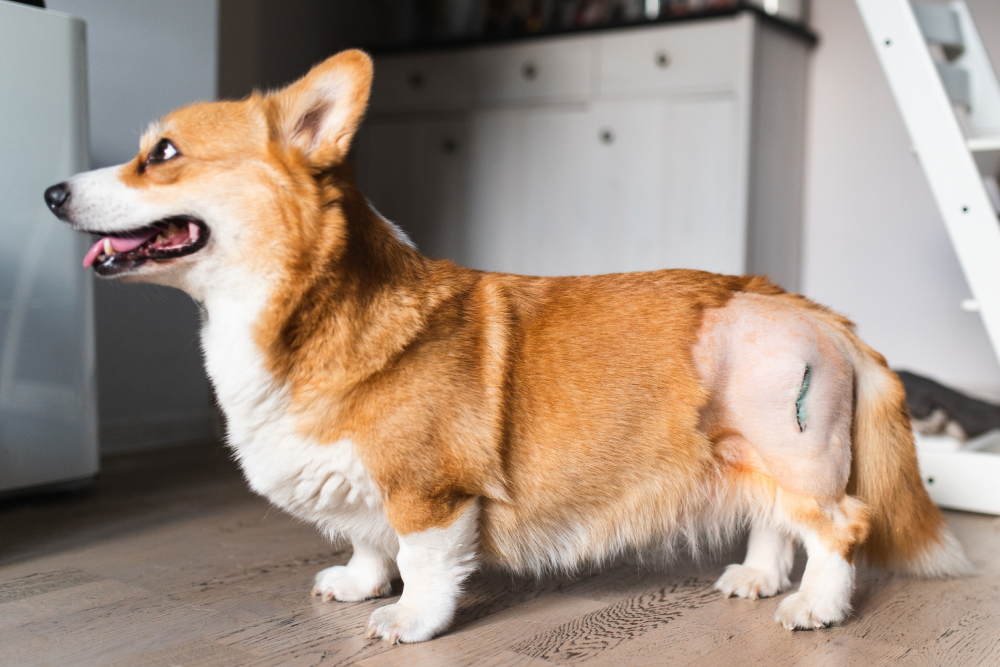
While age is a major risk factor, arthritis can also develop from earlier joint injuries or congenital issues. Dogs who have experienced ligament tears or misaligned kneecaps often face accelerated wear on their joints, leading to early-onset osteoarthritis.
A common example is the canine cruciate ligament injury, similar to ACL tears in humans. When this ligament tears or stretches, it destabilizes the knee and increases stress on surrounding tissues. Even after surgical repair, ongoing inflammation can cause stiffness or discomfort if not carefully managed.
Another frequent condition, patellar luxation, occurs when the kneecap slips out of place, especially in small breeds. Over time, this repeated motion can wear down cartilage and cause joint degeneration. Pets with hip dysplasia or developmental bone abnormalities are also more likely to develop arthritis later in life.
Fortunately, joint health can often be supported with early intervention. Surgical treatment with the team at Fairfax can help stabilize joints, preventing severe arthritis. Joint supplements containing glucosamine, chondroitin, and omega-3 fatty acids can help protect cartilage and support healing after orthopedic injuries. These supplements, combined with weight management and physical therapy, play an important role in keeping pets comfortable long-term.
The Role of Weight Management in Arthritis
Weight control is one of the most effective yet overlooked aspects of arthritis prevention and management. Over half of dogs and cats in the U.S. are overweight or obese- an alarming statistic considering the strain excess weight places on joints, muscles, and the heart.
Maintaining a lean body weight helps minimize stress on damaged joints and improves mobility. Pets kept at a healthy weight not only move better but also live significantly longer; studies show that pets maintained at a lean body condition live up to two years longer than their overweight counterparts. Regular weigh-ins and portion control are simple yet powerful tools to preserve mobility.
Just as important as fat control is maintaining lean muscle mass. Strong muscles act like natural shock absorbers that stabilize joints and reduce pain. Structured exercise and controlled physical activity help pets stay fit without causing further injury.
Our team helps owners create realistic weight loss and conditioning plans tailored to their pet’s breed, lifestyle, and current health.
Comprehensive Treatment Options for Arthritis
No two arthritis cases are alike. The most effective management combines multiple strategies- targeting inflammation, maintaining strength, and preventing further joint damage. Our team creates a plan tailored to your pet’s comfort level, lifestyle, and overall health.
Traditional Arthritis Medications
NSAIDs remain a cornerstone of arthritis care, helping reduce pain and inflammation so pets can move more freely. Regular monitoring ensures these medications remain safe and effective. Follow-up visits allow our veterinarians to assess improvement, adjust dosages, and recommend supportive products to ensure consistent, safe relief.
Biologic Therapies for Pain Control
Newer options such as Librela for dogs and Solensia for cats use monoclonal antibodies to block pain signals at the nerve level. These monthly injections are safe for long-term use and particularly helpful when traditional medications are not tolerated.
Our veterinarians can determine if your pet is a good candidate for biologic therapy during your next visit. Call us to discuss these cutting-edge options and how they fit into a personalized arthritis plan.
Complementary and Advanced Therapies
In addition to medication, therapies like laser therapy can reduce inflammation and stimulate tissue healing. Acupuncture, massage, and physical conditioning also support flexibility and muscle strength.
Fairfax Veterinary Clinic offers integrative care designed to complement traditional medicine, giving pets the best of both worlds. Contact us to discuss which combination of therapies best suits your pet’s unique condition.
The Role of Rehabilitation in Arthritis Management
Rehabilitation is an essential part of long-term comfort and mobility. Structured programs emphasize stretching, balance, and low-impact exercise, improving joint function while reducing pain. Rehabilitation for arthritis helps restore mobility and confidence while minimizing medication reliance.
Ongoing movement between visits is key to maintaining progress. Gentle warm-ups and cooldowns and structured rehabilitation exercises build stability and reduce stiffness.
Our team can create a personalized at-home exercise plan during your pet’s wellness visit. We also recommend orthopedic bedding, traction mats, and raised food bowls to make movement easier and safer.
Taking the First Step Toward Relief
Osteoarthritis may be a lifelong condition, but it doesn’t have to define your pet’s happiness. With early intervention, personalized treatment, and compassionate teamwork, your pet can move more comfortably and enjoy life again.
At Fairfax Veterinary Clinic, we’re here to guide you every step of the way- from diagnosis and treatment to rehabilitation and long-term management. Contact us today to schedule your pet’s mobility evaluation. Together, we can help your pet move from stiffness to strength.



Leave A Comment