


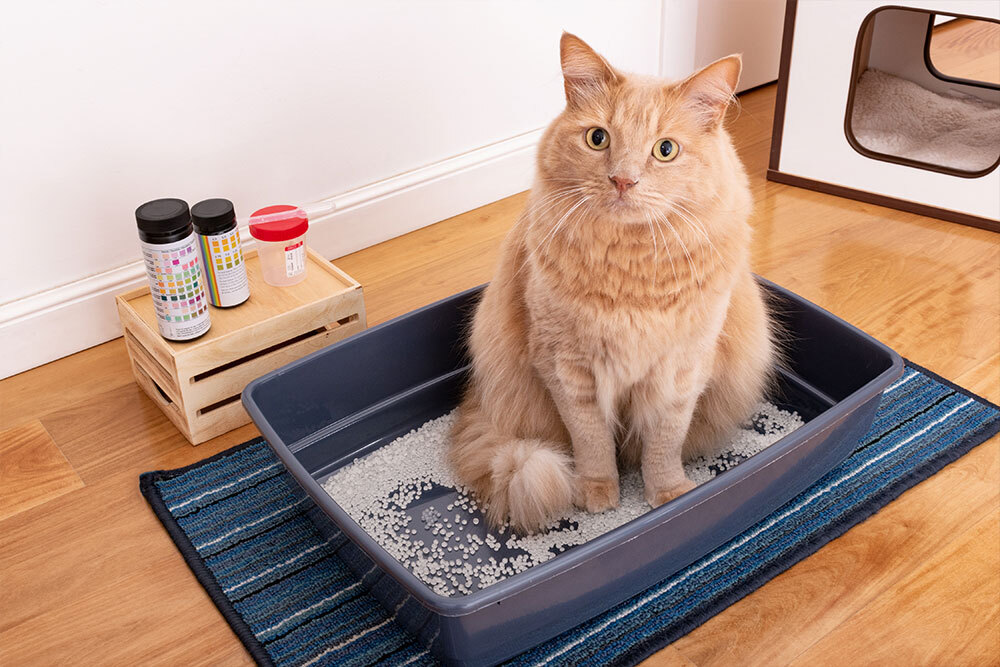
Blocked Cats: Why Peeing Problems Are a True Emergency
When your cat starts acting “off”- frequent trips to the litter box, crying out, or not producing any urine- it can feel like something is seriously wrong. And in the case of a urinary blockage, you’re right to feel that way.
At Fairfax Veterinary Clinic, we know how frightening these moments can be. Urinary blockages in cats are not only painful but potentially life-threatening. The good news is that with quick action and proper care, most cats can recover well. Here’s how to recognize a blockage, why it happens, and what you can do to prevent it.
What Is a Feline Urinary Blockage
A urinary blockage occurs when crystals, stones, mucus plugs, or debris clog the urethra and prevent urine from passing. Male cats are most at risk because their longer, narrower urethra is more easily obstructed. Without relief, toxins quickly build up, causing kidney damage, bladder rupture, or fatal electrolyte imbalances within 24–48 hours.
Why Male Cats Are Prone to Urethral Obstruction
Anatomy and Hormonal Influences
Male cats’ narrow urethra makes even small crystals dangerous. Stress or hormonal changes can trigger muscle spasms that further restrict urine flow.
Crystal and Stone Formation
When urine becomes oversaturated with minerals, struvite and calcium oxalate crystals can form. Over time, these crystals may aggregate into stones that block the urethra. Following urinary stone prevention guidelines helps reduce recurrence.
Inflammatory Plugs from Idiopathic Cystitis
Stress-related bladder inflammation leads to mucus and cellular debris that can obstruct urine flow. Managing feline idiopathic cystitis focuses on reducing stress and maintaining a stable environment.
Bacterial Urinary Tract Infections
Though less common in cats than in dogs, bacterial infections can introduce debris that blocks the urethra. Learning about urinary tract infection prevention helps owners spot early signs.
Sloughed Cells and Blood Clots
Inflammatory cells, red blood cells, and protein material can clump together, forming plugs. Catheterization and gentle bladder flushing are often needed to restore urine flow.
Signs Your Cat May Be Obstructed
Seek veterinary attention immediately if your cat shows:
- Frequent litter box trips with little or no urine
- Straining or crying while trying to urinate
- Bloody or pink-tinged urine
- Lethargy, hiding, or refusing meals
- Vomiting or drooling from toxin buildup
- A swollen, painful abdomen
Even mild symptoms can progress quickly. Tools like the Feline Grimace Scale can help you recognize subtle signs of pain.
Diagnostic Services at Fairfax Veterinary Clinic
- In-House Laboratory Testing – Same-day blood panels and urinalysis check kidney function, electrolyte balance, and infection markers.
- Digital Radiography and Ultrasound – X-rays detect radiopaque stones, while real-time ultrasound imaging evaluates bladder wall changes, crystals, and debris. These tools also guide catheter placement during emergency care.
Emergency Treatment for Urinary Blockage
Catheterization and Bladder Flushing
With sedation and pain relief, a sterile catheter relieves the obstruction and allows the bladder to be flushed. In some cases, the catheter may need to remain in place for 24–48 hours to ensure urine continues to flow freely and the bladder has time to recover.
Intravenous Fluid Therapy
IV fluids rehydrate, correct electrolyte imbalances, and support kidney recovery. They also help flush lingering toxins and prevent complications like cardiac arrhythmias, which can occur when potassium levels spike in blocked cats.
Pain Management and Urethral Relaxation
Analgesics reduce discomfort, while muscle relaxants or antispasmodic medications can ease urethral spasms that sometimes persist even after the initial blockage is relieved. This combination makes recurrence less likely during hospitalization.
Monitoring and Hospitalization
Blocked cats require close monitoring, as re-obstruction can happen within hours. Our team tracks urine output, kidney values, and overall comfort during hospitalization. If infection is confirmed, antibiotics may be prescribed to treat or prevent complications.
Surgical Options for Recurring Cases
For cats with repeated blockages, a perineal urethrostomy may be recommended. This surgery creates a wider opening to reduce the risk of future obstruction. Though it requires anesthesia and careful aftercare, PU surgery often provides long-term relief for cats with chronic blockages.
Emergency Availability at Fairfax
Because urinary blockages can turn fatal within 24–48 hours, immediate veterinary attention is critical. Fairfax Veterinary Clinic provides urgent evaluation during regular hours- Monday through Friday, 8:00 am to 6:00 pm, and Saturday, 9:00 am to 1:00 pm. Walk-ins are always accepted, and after-hours cases are referred to the Pet Emergency Center of Marin. See our emergencies page for details.
Preventing Recurrence and Supporting Urinary Health
Hydration and Diet
Encouraging water intake dilutes urine and minimizes crystal risk. Offer wet food options, provide multiple water bowls, and consider fountains. Prescription diets also help regulate urine pH and mineral balance.
Stress Management
Stress plays a major role in urinary blockages. Create enrichment opportunities like DIY cat enrichment toys, vertical climbing spaces, and consistent daily routines. The Indoor Pet Initiative offers excellent guidance for building a cat-friendly home.
Litter Box Habits Matter
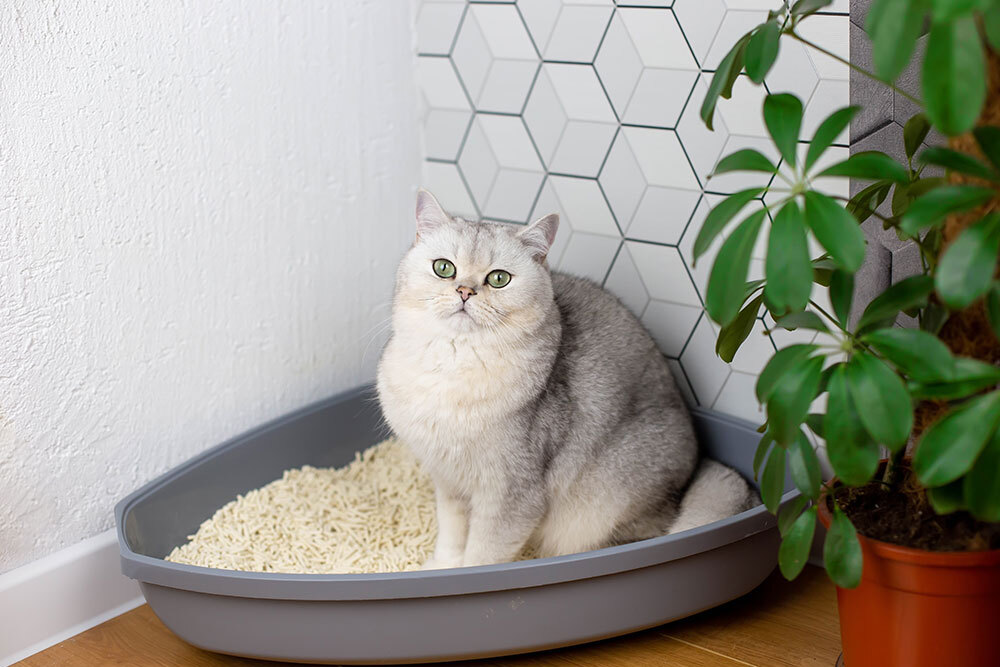
Cats are particular about their litter boxes, and poor setup often contributes to urinary issues. Ensure boxes are clean, large, and low-entry, placed in quiet areas. In multi-cat homes, provide multiple boxes to reduce stress. The cat litter box guide explains how box type, litter choice, and placement affect health.
Routine Wellness Exams
Biannual wellness visits allow early detection of crystals, infection, or kidney issues before they escalate. Comprehensive exams, bloodwork, and urinalysis give a clear picture of urinary health. Cats with recurring or complex needs may also benefit from specialized internal medicine support.
Why Choose Fairfax Veterinary Clinic
Are you worried? We’re here to help. During regular hours, walk-in emergencies are accepted at Fairfax Veterinary Clinic without an appointment, though calling ahead is appreciated.
Seeing your cat struggle in the litter box is stressful and scary, but you do not have to face it alone. If your cat shows signs of a blockage, call (415) 454-8204 or contact us online right away. At Fairfax Veterinary Clinic, our veterinarians combine advanced technology with compassionate, personalized care. From surgical solutions to preventive wellness care, we partner with you to keep your cat healthy and comfortable for years to come.




Leave A Comment